

Lead
Next shares climbed to a record high on Friday as investors bet that the retailer will show resilient sales momentum despite pressure on household budgets. The FTSE 100 fashion and homeware group, long seen as a bellwether for UK consumer spending, continues to draw support for its disciplined stock management, strong online platform, and steady brand strategy. Market watchers expect the company to set out how trading has held up into the autumn and how it plans to navigate the peak Christmas period. The move underscores renewed confidence in a business that has often outperformed peers during uncertain times, while signalling that investors still favour established retailers with clear strategies and tight cost control.
Context and timing
The rally took place on Friday on the London Stock Exchange, lifting Next’s valuation to a new peak. The share price strength comes as the company approaches its next scheduled trading communication, when it typically updates on full-price sales, inventory, and seasonal trends. Investors view the timing as important, because the final quarter of the year remains the most critical period for UK retailers.
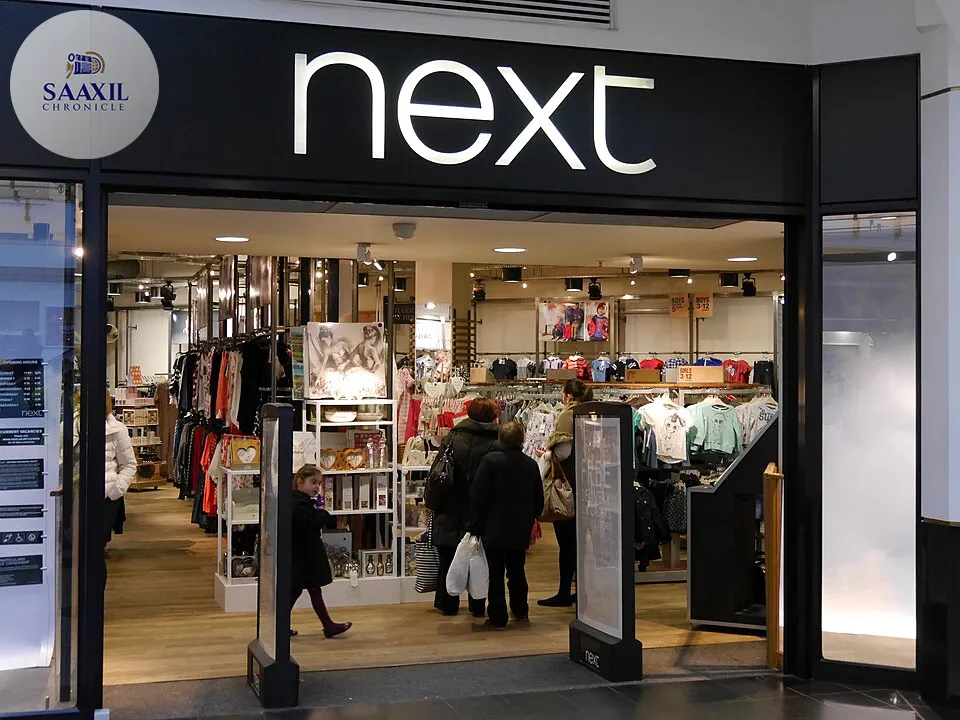
This file is licensed under the Creative Commons Attribution-Share Alike 4.0 International license.
Investors drive Next to a new high as confidence builds
Investors pushed Next to record territory on Friday, reflecting expectations that the group will continue to post solid sales against a challenging consumer backdrop. The rise highlights a familiar market theme: when uncertainty rises, many investors favour companies with a clear plan, prudent financial controls, and a record of delivering what they promise. Next has built that reputation over years by focusing on full-price sales, tight buying, and an efficient supply chain.
The market also recognises Next’s broad offer across clothing, childrenswear, home, and third?party brands. That variety helps smooth demand across seasons and customer groups. Over recent years, the group has added and integrated well-known names into its platform, which gives customers more choice and supports basket size. Investors often cite that breadth as a strength when budgets tighten and shoppers look for value, convenience, and reliability.
Consumer squeeze still shapes the outlook
Household budgets remain under pressure from elevated living costs and higher borrowing charges, even as inflation has eased from its recent peaks. Many families continue to prioritise essentials and fewer discretionary purchases, which puts apparel retailers to the test. In that environment, shoppers tend to hunt for sharp pricing, strong basics, and dependable delivery and returns. Retailers that manage stock tightly and keep markdowns under control usually protect margins better.
Next has spent years refining those disciplines. The business typically emphasises full?price sales and maintains firm control over ranges and delivery windows. It also uses data from online and store channels to guide buying, which reduces the risk of excess stock. Analysts often view that approach as key to margin resilience when demand softens. While the consumer picture still looks mixed, investors expect Next to focus on value, clarity of ranges, and service to keep customers engaged.
Digital platform and brand partnerships underpin growth
Next runs one of Britain’s largest fashion and home websites alongside its store estate. Its online Directory, click?and?collect from stores, and consistent delivery options have built customer loyalty. The stores support the digital channel by offering fast collection and returns, which lowers delivery costs and drives footfall. This integrated model gives Next an advantage over pure online rivals that bear higher parcel costs and over store?only retailers that lack reach.
The company has also expanded its Total Platform model, which supports third?party brands with logistics, technology, and customer service. It has worked closely with brands such as Reiss and Joules in recent years, and it runs the UK operation for Gap through a joint venture. These partnerships add scale to the warehouse and IT backbone, widen the product range for customers, and create new revenue streams. Investors often see this mix of retailing and services as a key long?term driver.
What the market will watch in the next update
Investors will look for an update on full?price sales trends across stores and online, stock levels, and markdown rates. They will want to understand how early autumn ranges performed and whether cooler weather lifted demand for knitwear, coats, and boots after a warm start to the season. Any commentary on delivery costs, wages, and rent will also matter, as these line items influence retail margins through the peak period.
The market will also focus on Christmas preparedness: availability of key lines, promotional plans around Black Friday, and the timing of deliveries into distribution centres and stores. Next often sets clear expectations for peak trading and discipline around discounting. Clarity on returns patterns, which affect net sales and logistics costs, will help investors judge how firmly the group can hold margins into January.
Signals for the wider UK retail sector
Next’s updates often provide read?across for the broader sector, because its customer base and product mix touch many parts of the market. A steady sales performance from Next can indicate that mid?market shoppers remain active, even if they watch prices closely. That matters for listed peers and for brands that sell through department stores and online marketplaces.
However, investors also recognise the differences. Next’s logistics network, data systems, and store?online integration remain distinctive. Not every retailer can match that scale or efficiency. As a result, the sector may not move in lockstep with Next’s performance. Even so, trading signals from a FTSE 100 bellwether can shape sentiment towards clothing, footwear, and home retailers ahead of Christmas.
Strategy: disciplined growth, measured deals
Next has grown through a mix of organic development and targeted acquisitions. In recent years, the group bought or invested in brands such as Joules, Reiss, FatFace, and Cath Kidston, often bringing them onto its platform. This strategy aims to preserve each brand’s identity while using Next’s logistics, technology, and customer service to improve efficiency and reach. Investors have generally supported this approach because it avoids large, high?risk bets and focuses on operational gains.
The company has also maintained a disciplined approach to capital allocation. Historically, management has returned surplus cash to shareholders through ordinary dividends, occasional special dividends, and share buybacks when conditions allowed, while continuing to invest in systems and distribution. The balance between returns and reinvestment remains a central part of the equity story, especially as the group scales platform services that benefit from additional volume.
Costs, supply chain, and stock discipline in focus
Freight and input costs have swung widely in recent years, challenging apparel margins across the industry. Next’s model relies on planning and early ordering to secure key lines, while avoiding over?buying that would force heavy markdowns. The market will look for reassurance that lead times, shipping capacity, and supplier relationships remain on track for peak season.
Labour, energy, and business rates also affect the outlook. While energy markets have stabilised from prior spikes, costs remain higher than in the past. Next has addressed this by improving warehouse productivity and using stores to fulfil and process orders efficiently. Careful scheduling, technology upgrades, and clear returns processes help the group manage costs that many rivals struggle to control.
Customer behaviour and product mix heading into Christmas
Shoppers often front?load spending into promotional periods, which can pull sales forward but pressure margins. Next typically sets tight promotion calendars and focuses on full?price lines that sell through without heavy discounting. The balance between fashion?led items and core basics will matter through the colder months, particularly if weather patterns shift. A colder snap usually helps knitwear, outerwear, and home comforts, while milder weather can delay seasonal purchases.
Homeware and gifting form an important part of the fourth quarter mix. Accessories, childrenswear, and small home items often drive volume in December. The group’s ability to keep these lines in stock and available for rapid collection or delivery will help shape customer satisfaction scores and repeat orders into the New Year.
Wrap-up
Next enters the peak trading window with momentum in its share price and with investors looking for confirmation that sales remain steady. The record high on Friday shows the market’s confidence in a retailer that has built strength through disciplined stock control, a powerful online platform, and a measured approach to brand partnerships. The coming update will test that faith, as the company sets out how it plans to manage costs, availability, and promotions into Christmas. If Next shows firm full