

Lead
China said the economy grew at an annual rate of 4.8 percent, the slowest pace in a year, as trade tensions with the United States escalated. The slowdown adds pressure on senior leaders as they open a key planning meeting in Beijing, with growth, jobs, and stability high on the agenda. Official data point to a loss of momentum that follows months of uneven activity and renewed frictions over tariffs and technology. The Washington Post described the figure as a “sobering” signal for party leaders as they start the talks. The BBC reported that Beijing has avoided any sharp downturn but faces challenges that include US tariffs. The data underscore how a cooling global economy and a tougher trade environment weigh on China’s outlook in late 2025.
Context and Timing
Officials released the 4.8 percent annual growth figure on Monday in Beijing. The timing coincides with a major planning meeting of the Chinese Communist Party, which starts this week in the capital. The session sets priorities for the coming year and shapes key policy choices. The latest data and the political calendar now converge, sharpening focus on how Beijing intends to support growth while managing trade pressures.
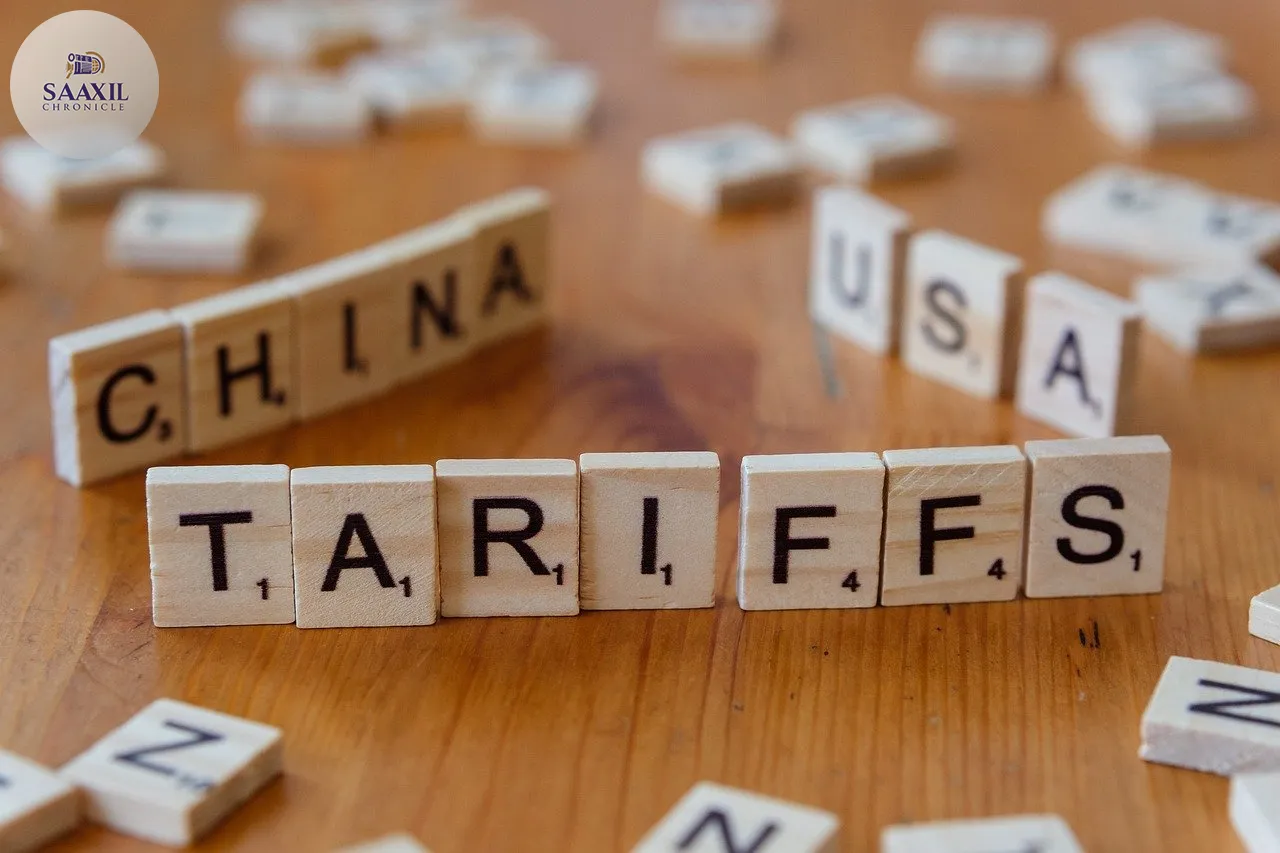
Trade tensions flare, putting pressure on exports and investment
Beijing faces a harder trade landscape as US tariffs and restrictions shape supply chains and business sentiment. Chinese exporters report higher costs and more uncertainty when they plan shipments and investment. Firms that sell to the United States contend with tariff hurdles and scrutiny that can delay orders. Executives also monitor signals from Washington for any further measures that could limit access to US markets or critical technology.
The BBC said China has avoided a sharp downturn, yet it also noted that US tariffs pose a clear headwind. Companies across Asia track these moves closely because China sits at the heart of regional manufacturing networks. When trade tensions rise, managers often delay capital spending. That dynamic can feed through to slower factory output and weaker demand for parts and materials.
Leaders convene in Beijing with stability and jobs in focus
China’s top leaders meet in Beijing to chart the next steps for the economy. The latest growth print sets the tone. A 4.8 percent annual rate signals slower momentum than earlier in the year and the weakest pace in 12 months. Senior officials often highlight the need to support employment, lift incomes, and spur private investment. The meeting will likely prioritise measures that can steady demand and keep growth on track.
The Washington Post framed the 4.8 percent figure as “sobering” for party leaders as they start this planning session. That framing reflects the balance China needs to strike: maintain growth, manage risks, and respond to a harder external climate. The leadership also weighs how to channel resources to sectors that can boost productivity and reduce reliance on foreign technology.
Growth cools but avoids a cliff edge
The data show a slower economy, not a collapse. The BBC reported that Beijing has so far avoided a sharp downturn. That pattern suggests domestic activity still provides some support, even as exports and trade face strain. Retail sales, services, and public investment can help cushion the blow when global demand weakens. Policymakers often seek to keep consumption and infrastructure activity steady to limit spillovers into jobs.
At the same time, the 4.8 percent rate marks the slowest pace in a year, which points to weaker momentum. When growth slows, small firms feel the pinch first, especially those with tight margins or heavy exposure to export markets. Slower growth also challenges local governments that rely on business taxes and fees. These pressures can, in turn, affect public services and future investment plans.
Policy choices now carry added weight
Economic managers can draw on fiscal and monetary tools to steady growth. They can adjust public spending, steer credit to priority sectors, and support small businesses. They can also consider measures that ease costs for households, which can help lift consumption. The exact mix will depend on the leadership’s goals for stability and risk control. Officials often signal support for the real economy while they aim to avoid excess financial risk.
Trade policy also matters. China can expand ties with other markets to offset US tariffs. Regional partners in Asia, Europe, and the Global South will watch how Beijing positions its industries. Moves that reduce bottlenecks, support innovation, and improve logistics can help firms adapt. Clear policy guidance can also reassure investors who seek predictable rules and fair competition.
Global ripple effects from China’s slowdown
China’s growth path affects global demand for commodities, machinery, and consumer goods. A slower China can reduce orders for energy, metals, and industrial equipment. That shift can influence prices and trade balances from Southeast Asia to Latin America and Africa. Multinational firms that depend on Chinese factories and customers will reassess production plans and sales targets.
Investors also watch China’s growth for signals on supply chains and currencies. Slower activity can prompt firms to diversify sourcing while still relying on China’s scale and infrastructure. Financial markets react to changes in China’s outlook with moves in equities, bonds, and foreign exchange. Those shifts reflect expectations about profits, inflation, and global interest rates.
What the 4.8 percent rate signals for the outlook
The latest figure shows China still grows, but at a weaker pace. The “slowest in a year” marker underlines the loss of speed. That loss has clear links to trade frictions with the United States and a softer global backdrop. The result gives more urgency to the planning session now under way in Beijing. Leaders need to keep growth steady, protect jobs, and sustain confidence in the months ahead.
Clarity on policy can support businesses and households that face uncertainty. When people understand the path for taxes, spending, and regulation, they plan and invest with more confidence. Stable rules and a clear reform agenda can help unlock private capital. Together with targeted support for competitive industries, that mix can help China navigate a rougher trade environment.
Wrap-Up
China’s economy grew at 4.8 percent year on year, the slowest pace in 12 months, as trade tensions with the United States intensified. The figure lands as party leaders gather in Beijing to set priorities for the coming year, heightening pressure to chart a credible path for growth, jobs, and stability. Reporting from the Washington Post and the BBC highlights both the resilience that has helped China avoid a sharp downturn and the drag from US tariffs. The choices that emerge from the current planning session will shape how China manages a tougher external climate and a more cautious domestic mood. Businesses at home and abroad now watch for signals on spending, credit, market access, and reform. Clear steps that support demand and encourage investment could steady momentum into 2026, while a murkier outlook could keep growth slow and uncertainty high.