
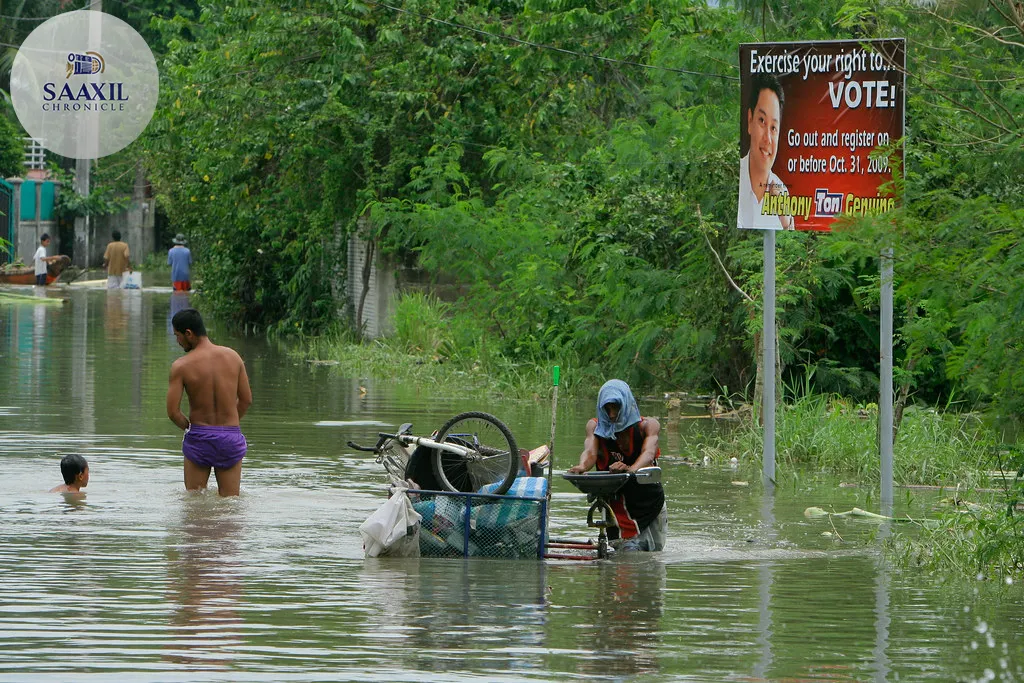
A wave of anger has spread across the Philippines as allegations of corruption in flood control projects collide with public grief and frustration after deadly inundations. Demonstrations have grown nationwide, with citizens demanding answers about how public funds were used and why communities still face dangerous floodwaters when storms arrive. The death of 49-year-old health worker Christina Padora during July’s severe flooding has become a powerful symbol of the human cost. She waded through waist-high water to check vaccines and essential medicines at a village clinic, as she had done during past typhoons. This time, a live wire connected to a metal pole delivered a fatal shock. For many, her death underscores the stakes in a scandal that touches infrastructure, public safety, and trust in government.
The protests reflect deep frustration over claims that flood control money did not deliver promised protection. Campaigners argue that mismanaged works and weak oversight leave neighbourhoods exposed. They say the stakes extend beyond property loss to the safety of frontline workers and families who face rising waters each year.
Context and timing
The public backlash surged in mid-October 2025 as new allegations tied to flood control projects gained attention and citizen groups organised rallies. Padora’s death occurred in July during heavy flooding that inundated communities and disrupted essential services. The outrage has brought renewed focus on how the Philippines prepares for storms and manages projects meant to reduce risk, particularly as the rainy season and typhoon activity continue to test urban and rural infrastructure.
A tragedy that galvanised a nation
Christina Padora’s decision to reach a clinic during floods reflected the commitment of health workers who keep essential services running in emergencies. A live electrical line in floodwater electrocuted her when she grasped a metal pole. Residents and healthcare colleagues mourned not only the loss of a dedicated worker but also the conditions that placed her in danger.
Her death now serves as a rallying point in protests over alleged graft in flood mitigation. Demonstrators say every peso intended for drainage works, river defences, pump stations, and safe electrification can determine whether communities withstand a storm. They argue that failed or flawed projects, if confirmed, intensify risk for people like Padora, who shoulder responsibility during crises.
Allegations over flood-control funds fuel nationwide protests
The corruption allegations centre on flood control schemes that aim to protect homes, clinics, schools, and markets from sudden inundation. Protesters question whether public funds went to projects that meet standards and perform under stress. They want clarity on procurement, contractor selection, and actual delivery on the ground. They also call for independent audits and public disclosure of project status, costs, and results.
The anger reflects a broader frustration with the pace and quality of infrastructure works in flood-prone areas. Communities say they watch drainage channels clog, pumps fail, and construction stall as storms approach. Organisers demand clear timelines, transparent tender processes, and regular reporting so that residents can hold officials and contractors to account.
Flood risk, climate pressures, and the limits of ageing infrastructure
The Philippines faces some of the world’s most frequent and intense storms. The country typically sees around 20 tropical cyclones each year, and heavy rain regularly floods low-lying districts. Urban centres struggle when sudden downpours overwhelm drains and waterways already choked by debris, silt, and rapid development. In this context, every component of flood control matters: culverts, embankments, pumps, and power lines that must keep running when water rises.
Climate change adds pressure by intensifying extreme rainfall and amplifying storm surges. Scientists have warned that sea levels in parts of the western Pacific rise faster than the global average, and that more intense rain events can overwhelm even functional systems. Communities that sit along waterways or on reclaimed land feel the squeeze of higher water and limited drainage, making robust, well-managed flood control vital.
Public health stakes: vaccines, power safety, and emergency access
When floods disrupt clinics and pharmacies, the risks multiply. Vaccines and essential medicines require stable temperatures and secure storage. Floodwater can damage stocks, cut power, and block staff from reaching facilities that serve mothers, children, and older adults. Padora’s final journey to check supplies highlights how public health depends on safe access routes, reliable electricity, and clear emergency protocols.
Electrical safety becomes critical in flood conditions. Exposed wires, submerged outlets, and damaged connections can turn streets into deadly hazards. Advocates say authorities should prioritise rapid power shutdowns in inundated zones, install protected switchgear for critical facilities, and enforce strict inspection regimes before restoring electricity. They argue that these steps, alongside robust drainage, reduce the chance that floods turn lethal.
Transparency and accountability demands grow louder
Protesters have focused on oversight. They want clear records of flood control contracts, standardised reporting on project milestones, and routine inspections with published findings. Good governance groups say accessible dashboards for budgets and progress can help citizens track whether works match plans. They call for hotlines and whistleblower protections so people can report issues without fear of retaliation.
Legal experts note that the Philippines maintains institutions tasked with auditing public spending and investigating graft. Protesters urge these bodies to move quickly and share findings with the public. They argue that timely action—through audits, procurement reviews, and, where warranted, prosecutions—can restore trust and ensure that future projects meet safety and performance standards.
What communities say they need before the next storm
Community organisers and local leaders have outlined practical steps they say can reduce risk. They emphasise regular de-silting of canals, timely maintenance of pump stations, and rapid repair of damaged embankments ahead of peak rains. They also call for stricter site supervision during construction, stronger penalties for substandard work, and independent quality checks that certify projects as storm-ready before handover.
Residents also seek better early-warning systems and clear communication when floods threaten. Simple, consistent alerts can help families secure valuables, move vehicles, protect clinics and schools, and evacuate if needed. They want drills, evacuation maps, and community volunteers trained to help the most vulnerable—older people, people with disabilities, and families with young children—navigate fast-changing conditions.
A test of governance as another rainy season looms
The scandal arrives as the country faces repeated bouts of heavy rain. That timing heightens public scrutiny of ongoing works and emergency planning. Citizens say they will measure progress not by announcements but by functioning drains, faster pump activation, reliable power cut-offs in flooded areas, and safe routes for health workers. They judge success by whether schools reopen quickly and clinics keep care going when waters rise.
Officials now face a choice: embrace full disclosure and robust oversight, or risk deeper public mistrust. Protesters argue that transparency, competitive procurement, and rigorous enforcement can deliver flood defences that protect lives and livelihoods. They say the cost of failure is clear—lost lives, shattered families, and communities left to fend for themselves in the dark and the rain.
Wrap-up
Filipinos have turned grief and anger into a sustained call for accountability over flood control spending. The death of Christina Padora, electrocuted by a live wire as she tried to safeguard vaccines during July’s floods, stands as a stark reminder of what is at stake. With allegations of graft under scrutiny, citizens demand transparent audits, better maintenance, and stronger safety protocols before the next storm tests exposed neighbourhoods. They want proof that public money delivers working drains, reliable pumps, and secure power systems that protect clinics, schools, and homes. The coming months will show whether authorities answer that call. For many communities, trust will return only when floodwaters recede faster, streets stay safer, and no one else has to risk their life to keep essential services running.