
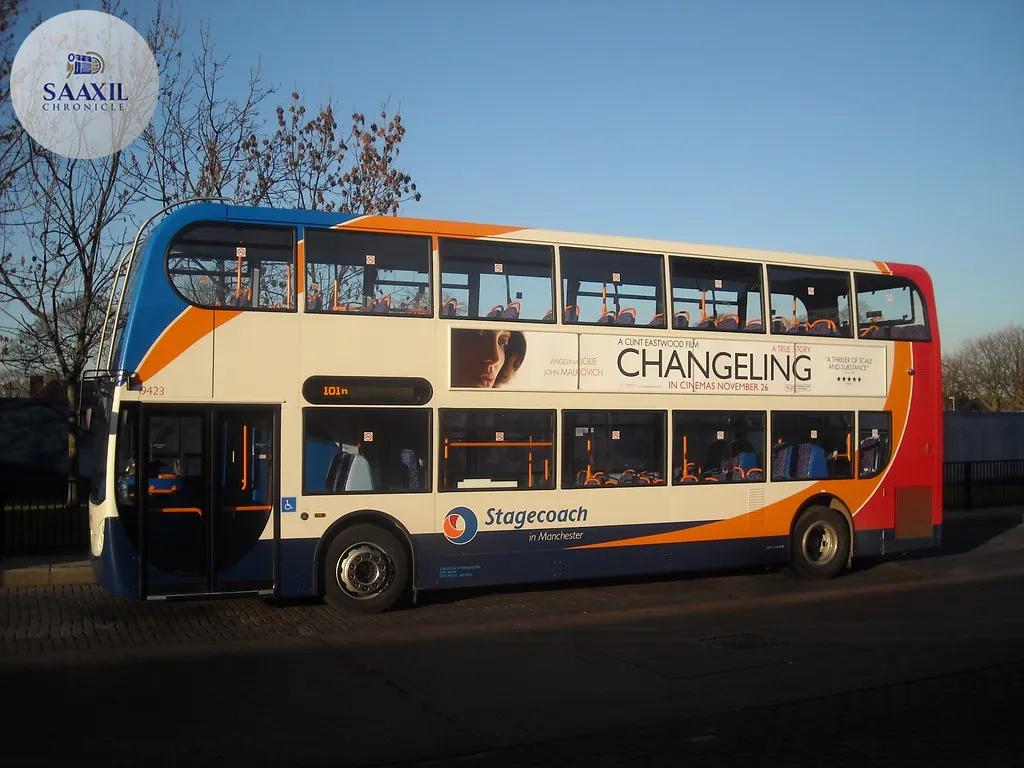
Stagecoach South Wales has earned a place on the shortlist for three national awards, putting one of the region’s largest bus operators in the UK spotlight. The recognition highlights the work of drivers, engineers, depot teams, and managers who keep services moving across south Wales. It also signals rising competition within the industry, as operators race to improve reliability, customer experience, and greener travel. The South Wales Argus reported the triple shortlist on Monday, 13 October 2025. While the report did not list the award categories, the achievement marks a notable moment for public transport in the region. It also raises expectations among passengers and staff who want dependable services and a clearer plan for the future of buses across Wales.
Context and timing
The South Wales Argus reported the shortlisting on 13 October 2025. The recognition concerns Stagecoach South Wales, which runs services across parts of south-east Wales. The report did not specify the ceremony date or the categories involved
A regional operator in the national spotlight
Stagecoach South Wales serves towns and cities across the region and links communities to jobs, education, health appointments, and shopping. The operator forms part of the wider Stagecoach network in Britain. The triple shortlist draws national attention to a local operation that deals daily with traffic, roadworks, staffing pressures, and changing travel demand. It also points to growing momentum in the Welsh bus sector, where operators seek to rebuild ridership and trust after years of disruption.
Public transport carries a wider social role in south Wales. Buses connect rural and valley communities where rail options remain limited or absent. Recognition at national level can help build confidence in services, support staff morale, and attract new recruits into driving and engineering roles. It can also strengthen the case for further investment in vehicles, depots, and digital tools that help passengers plan and pay for journeys with less friction.
What national awards usually recognise in bus transport
National awards in the bus industry tend to focus on a range of themes. Panels often reward outstanding customer service, strong safety records, operational excellence, and innovation that improves the passenger experience. They also look for progress on accessibility for disabled passengers and for work that cuts emissions from fleets and depots. Community impact also features, with judges noting initiatives that support local charities, schools, or skills training.
Shortlists usually reflect measurable improvements. These can include punctuality gains, better driver training outcomes, higher satisfaction scores in independent surveys, or successful trials of new technology, such as improved real-time information. While the South Wales Argus did not list the categories for Stagecoach South Wales, a triple shortlist suggests recognition across more than one area of performance.
Passenger priorities: reliability, value, and safety
Passengers want buses that arrive on time, offer fair value, and feel safe. Surveys by watchdogs such as Transport Focus have, over many years, highlighted reliability and punctuality as top priorities for bus users. Clear information also matters, particularly during disruption. When operators improve these basics, they tend to see stronger satisfaction and more repeat travel.
Safety sits at the heart of operations. Training, vehicle maintenance, and incident reporting all support safe journeys. Recognition through national awards often reflects a sustained focus on these fundamentals. Front-line staff play a crucial role here. Courteous driving, helpful communication, and quick problem-solving can turn a difficult commute into a manageable one, especially during delays caused by traffic or roadworks.
Investment and innovation across Wales’ bus network
Across Wales and the wider UK, bus operators have invested in cleaner engines, better ticketing, and real-time information. Many networks now offer contactless payment with daily and weekly capping, making fares simpler for occasional and regular users. Apps and on-street displays give live updates, which help passengers make decisions when services face disruption. Operators have also introduced training that supports inclusive service for disabled passengers and those with hidden disabilities.
Sustainability remains a central theme. Operators and local authorities continue to explore lower-emission technologies and depot upgrades that reduce environmental impact. Awards panels often recognise steps that cut emissions while keeping services dependable. Although the South Wales Argus report did not detail any specific fleet changes for Stagecoach South Wales, the sector-wide shift towards cleaner and more efficient operations provides important context for national recognition.
The local impact of national recognition
A national shortlist can have practical benefits at a local level. It can raise the profile of bus services among people who have not used them recently, encouraging trial journeys and new habits. It also supports recruitment campaigns, which many operators need to sustain reliable timetables. Skilled drivers and engineers remain in demand across the UK bus industry. Recognition can help an operator stand out in a competitive job market.
For communities in south Wales, reliable bus services underpin daily life. If recognition reflects improvements in punctuality, customer service, or accessibility, passengers stand to benefit. Staff also gain from the validation, which can lift morale and encourage further training and development. Over time, these factors can feed into a cycle of better performance and stronger confidence in public transport.
What happens next for the shortlist and the operator
The report did not state when the awards organisers will announce the winners. Operators typically use the period between shortlisting and the ceremony to highlight their work and to share best practice across their networks. Passengers may notice campaigns that promote safer travel, ticketing offers, or service updates aimed at improving the daily commute.
Regardless of the outcome, a triple shortlist raises expectations. Stakeholders will look for evidence that improvements endure beyond the awards cycle. That means consistent punctuality, clear information during disruption, and a steady commitment to accessibility. It also means transparent communication with passengers about changes to routes and timetables, so people can plan with confidence.
How recognition aligns with wider transport goals
Welsh transport policy places a strong emphasis on sustainable, accessible travel. Buses carry more people than any other form of public transport in Great Britain, and they offer the most flexible way to connect communities that sit far from rail lines. Awards that recognise improvements in buses therefore align with broader goals to reduce congestion, improve air quality, and support local economies.
Integration also matters. Progress on multimodal ticketing, real-time data sharing, and simple connections can make public transport more attractive. While the South Wales Argus report did not outline specific integration projects tied to the shortlist, the sector trend remains clear: passengers value seamless travel, and operators that deliver it tend to earn recognition.
Wrap-up
Stagecoach South Wales’ place on a triple national shortlist marks a bright moment for public transport in the region. The recognition signals that judges have seen strengths across several areas of performance, even though the reported details did not list the categories. Passengers want reliable, safe, good-value services, and awards often reflect progress on these essentials. The spotlight can help the operator recruit, invest, and keep up momentum on customer service and innovation. Communities across south Wales rely on buses for daily life, from work and school to healthcare and shopping. As the industry waits for the winners, the real test lies on the road: buses that arrive on time, clear information during delays, and a continued push for cleaner, more connected journeys.