

The Co-op has warned that Britain’s high streets “face a critical moment,” urging the government to deliver “maximum” business rates relief in the Autumn Budget on 26 November. The Manchester-headquartered retail and mutuals group says up to 60,000 small shops and 150,000 jobs could disappear without reform. It argues that the business rates burden now threatens the survival of many local retailers, and with them the services and jobs they provide in towns, cities and villages. The call puts pressure on Chancellor Rachel Reeves to set out measures that ease costs for smaller firms, which continue to grapple with rising bills and changes in consumer habits. The Co-op says timely action could help stabilise high streets and protect essential local amenities.
Context and timing
The Co-op issued its warning on Sunday 12 October 2025, ahead of the Autumn Budget scheduled for Wednesday 26 November. The group, based in Manchester and operating across the UK, addressed the appeal to Chancellor Rachel Reeves. Business rates, a tax on occupying commercial property, fall due year-round and form a major fixed cost for small retailers. The timing of any relief in the Budget matters for firms planning winter trade and next year’s budgets.
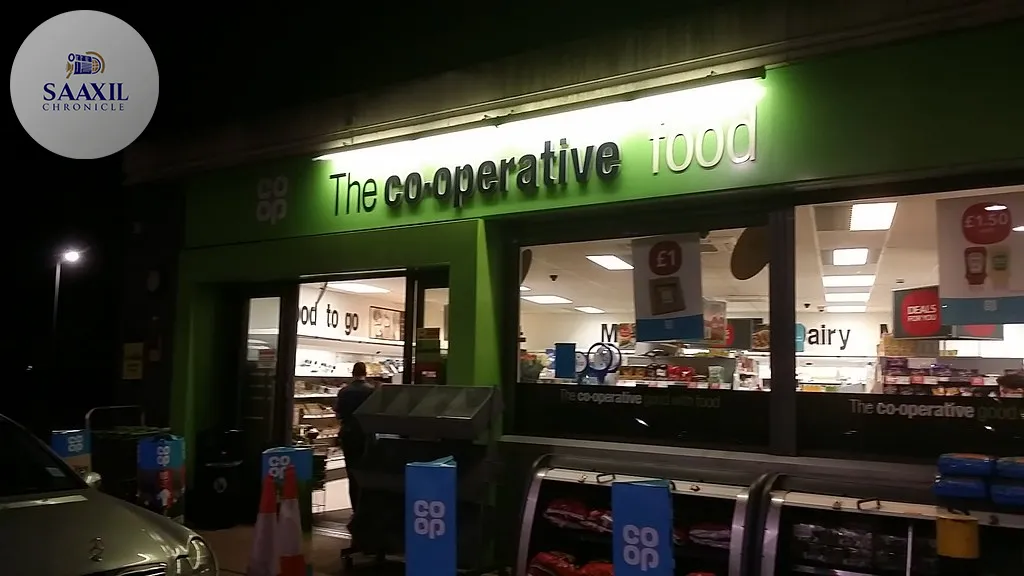
Co-op’s alarm over high street risk
The Co-op links the risk to 60,000 small shops and 150,000 jobs to the current business rates regime. It says high streets now sit at a tipping point as rising costs and lower footfall put pressure on small businesses. It calls for decisive action that reduces fixed overheads and buys time for local traders to recover. The group’s warning adds to long-running concerns from retailers who say rates weigh more heavily on bricks-and-mortar shops than on online competitors.
The Co-op frames the threat in community terms. Small shops are often anchor services: they offer everyday goods, provide local jobs and support neighbourhood safety. When they close, the loss can hollow out areas that already face economic challenges. The Co-op argues that targeted relief could help protect local services and keep more independent businesses trading through a tougher period.
Business rates explained and why they matter
Business rates are a property-based tax on most non-domestic buildings in England and Wales. Authorities calculate bills from a property’s rateable value and a government-set multiplier. Firms can receive reliefs that reduce bills, such as Small Business Rate Relief and schemes for retail, hospitality and leisure. Rates raise tens of billions of pounds a year and help fund local services, with councils retaining a share of income. For smaller retailers, rates can take a large slice of fixed costs and do not fall when sales drop.
The design of business rates has drawn criticism from high street groups for years. Critics say the system penalises shops with physical space compared with online-only rivals and warehouses. They argue that the tax can deter investment in premises and make it hard for small firms to expand. Supporters of reform tend to call for lower bills for smaller properties, more frequent revaluations to reflect market changes, and a simpler system that firms can plan around.
What ‘maximum’ relief could involve
The Co-op asks for “maximum” business rates relief. It does not set out a single model but points to the scale of the challenge. In practice, governments have cut rates bills in several ways. They have frozen multipliers to stop automatic increases. They have expanded eligibility for small business relief. They have offered time-limited discounts for sectors under pressure, including retail, hospitality and leisure. They have adjusted thresholds to bring more small properties into relief.
Any larger package would seek to reduce bills for the smallest and most vulnerable traders while maintaining funding for local services. Options could include extending or deepening targeted sector reliefs, raising eligibility thresholds for small firms, or continuing a freeze on multipliers. Ministers would need to weigh cost, simplicity and speed. The Co-op’s demand signals it wants a broad and immediate programme that keeps more shops open through 2026.
Fiscal pressures and political choices for the Chancellor
Chancellor Rachel Reeves faces a complex set of choices. The Treasury must balance support for growth with the need to fund public services and manage debt. Business rates bring in significant revenue for central and local government. Any major relief package would reduce that income, at least in the short term. The government would need to decide how to fund the gap, whether from wider taxation, borrowing, or spending choices.
The political stakes are high. High street health is visible in every constituency. Shuttered shops invite criticism that policy has failed local communities. Action on rates could sit within a wider pro-growth agenda focused on investment, planning and skills. It would also signal that ministers back small business. The Budget on 26 November will show whether the government decides that the risk to shops and jobs warrants a stronger intervention.
Pressures on small shops go beyond tax
Business rates are central, but they do not stand alone. Small retailers also face higher wage bills, energy costs and insurance premiums. They report rising supplier prices and a need to invest in digital tools and security. Many continue to adjust to shifts in shopping patterns. Customers mix online orders with less frequent trips to town centres. That pattern can reduce incidental footfall that local shops rely on.
Security and crime also weigh on some high streets. Shoplifting and abuse towards staff have drawn concern from retailers and unions. While these issues vary by area, they add to costs and stress. A tax change would not solve them, but the Co-op argues it could give shops more breathing room to manage other challenges. Combined action on costs, safety and local transport can improve the trading environment.
Local authorities and the funding question
Business rates support local services. Councils depend on a share of retained rates alongside grants and council tax. Any deep relief package therefore raises funding questions for town halls. In past schemes, central government has compensated councils for temporary reliefs to protect budgets. A new package would likely require a similar approach, with clear rules to prevent gaps in local service funding.
Councils also play a role in high street renewal. They shape planning, transport and regeneration. When shops close, councils and local partners look to fill gaps with new uses, from housing to community space. Business rates reform can sit alongside place-based strategies that revive town centres. The Co-op’s warning highlights that without fiscal support, local regeneration plans may struggle to take hold.
What retailers and investors will watch next
Retailers will watch for signals from the Treasury in the run-up to 26 November. They want clarity soon so they can plan staffing, stock and investment. Landlords, lenders and suppliers will do the same. Certainty on rates helps inform lease decisions and store openings. Even a time-limited extension of reliefs can influence whether a shop stays open through a lean quarter.
Investors will also look for signs that policy supports physical retail. Stable and predictable costs can boost confidence. In turn, that can support jobs and supply chains that reach far beyond the shop floor. The Co-op’s message seeks to focus attention on these knock-on effects, not only headline numbers.
Wrap-up
The Co-op has put a stark number on the risk it sees for the UK’s high streets: up to 60,000 small shops and 150,000 jobs. It links that risk to the weight of business rates and asks Rachel Reeves to deliver “maximum” relief in the Autumn Budget on 26 November. The call underscores a wider reality. Small retailers face a mix of fixed costs and shifting demand that strains margins. Business rates reform alone cannot solve every issue, but it can lower a critical barrier to survival and growth.
The Budget will show how far the government intends to go. Ministers must balance help for local businesses with stable funding for councils and the wider fiscal position. Retailers want clear, timely measures they can act on. Communities want busy high streets that offer services and jobs. The decisions now will shape whether more small shops can trade through the next year and whether town centres regain momentum.