
An undercover investigation by the BBC has revealed a concerning network of professionals involved in the illegal trade of Botox, raising significant public health concerns. The exposé, which involved a fake doctor, a pharmacist, and a nurse, highlights the ease with which unregulated Botox can be accessed without the necessary medical checks. This investigation not only uncovers the flaws in the current regulatory system but also poses serious questions about the safety and efficacy of such treatments being administered outside of legal boundaries.
The operation, which took place in late September 2025, was conducted across several locations in the United Kingdom. The BBC team, posing as clients, successfully obtained Botox from individuals who circumvented the legal requirements for administering this potent treatment. The findings point to a worrying trend where the demand for cosmetic enhancements is being met by unscrupulous providers willing to bypass safety protocols for financial gain.
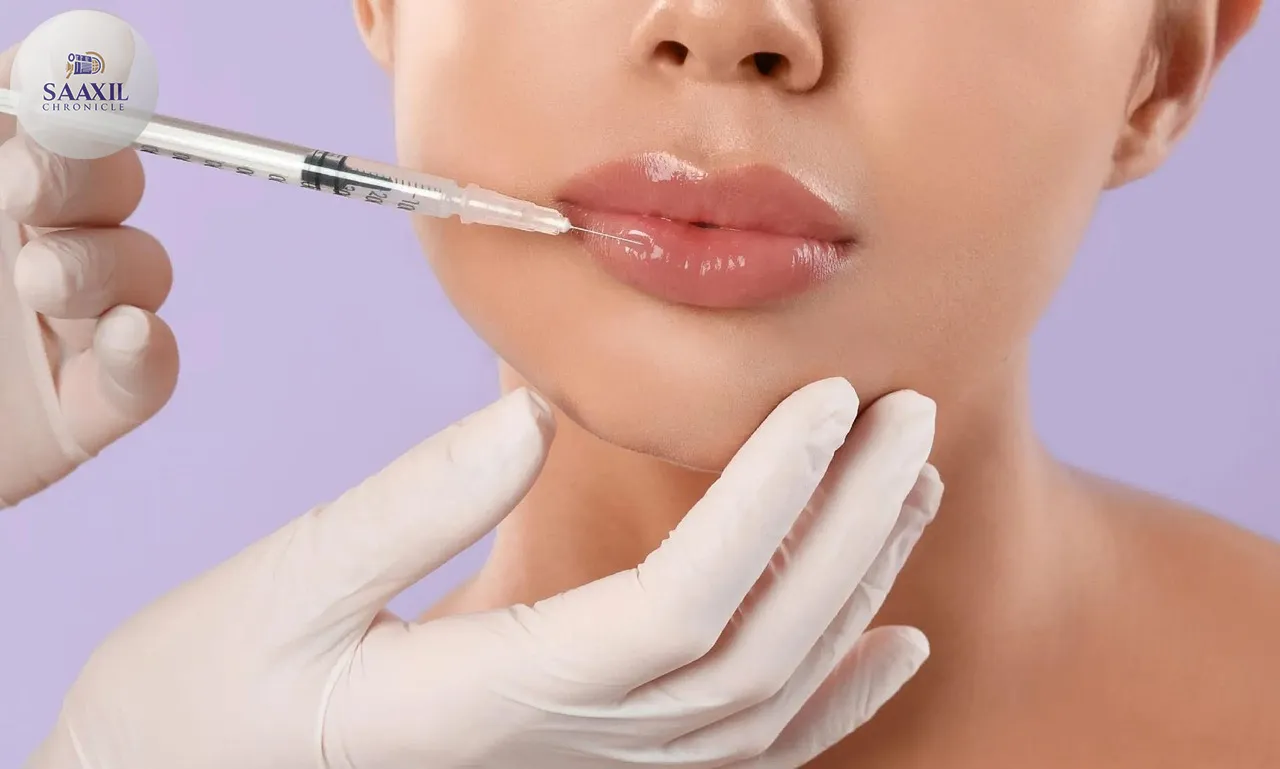
Illegal Botox Network Exposed
The BBC’s investigation revealed a disturbing pattern of illegal activity involving qualified medical professionals and unauthorised individuals. The team uncovered a fake doctor who was operating without a licence, providing Botox injections without conducting necessary health assessments or verifying the authenticity of the product. This individual’s operation was part of a broader network that included a pharmacist and a registered nurse, both of whom played roles in supplying and administering Botox without adhering to legal guidelines.
The fake doctor, whose identity has not been disclosed due to legal reasons, was found to be operating out of a makeshift clinic. The investigation showed that the doctor had little regard for patient safety, focusing solely on the financial aspects of the transactions. This alarming disregard for health standards highlights the urgent need for stricter enforcement of regulations surrounding cosmetic procedures.
Regulatory Loopholes and Public Safety Risks
The investigation sheds light on significant loopholes in the regulatory framework governing cosmetic treatments in the UK. Despite strict guidelines set by the Medicines and Healthcare products Regulatory Agency (MHRA), the ease with which unlicensed practitioners operate suggests a gap in enforcement. This gap is being exploited by individuals who prioritise profit over patient safety, leading to potentially dangerous outcomes for clients seeking cosmetic enhancements.
Experts have raised concerns about the risks associated with unregulated Botox treatments. Dr. Sarah Thompson, a leading dermatologist, emphasises the potential health hazards, stating, “Botox is a medical procedure that requires a thorough understanding of facial anatomy and potential side effects. When administered by unqualified individuals, the risks of complications such as infection, allergic reactions, and even permanent facial paralysis increase significantly.”
The Role of Demand in Fueling the Illegal Market
The growing demand for cosmetic procedures is a key factor driving the illegal Botox market. With an increasing number of individuals seeking quick and affordable beauty enhancements, the temptation to opt for cheaper, unregulated options is high. This demand is being met by a burgeoning black market that thrives on the lack of awareness among consumers about the potential dangers of such treatments.
Consumer advocate Lisa Edwards warns that the allure of low-cost procedures often blinds individuals to the risks involved. “Many people are unaware of the dangers associated with illegal Botox treatments,” she explains. “The promise of a quick fix can lead to devastating consequences, both physically and financially, if something goes wrong.”
Calls for Stricter Enforcement and Consumer Education
In light of the investigation’s findings, there are growing calls for stricter enforcement of existing regulations and better consumer education. Regulatory bodies are urged to increase surveillance and crack down on illegal operations to protect public health. Additionally, there is a push for more comprehensive public awareness campaigns to educate potential clients about the risks of unregulated cosmetic procedures.
The British Association of Aesthetic Plastic Surgeons (BAAPS) has reiterated the importance of choosing qualified professionals for cosmetic treatments. “Ensuring that procedures are carried out by licensed and experienced practitioners is crucial for patient safety,” says Dr. Mark Hamilton, a spokesperson for BAAPS. “We need to prioritise education and regulation to prevent further incidents of illegal practices.”
The BBC’s investigation has sparked a critical dialogue about the safety and regulation of cosmetic procedures in the UK. As the demand for beauty enhancements continues to grow, the need for stringent oversight and informed consumer choices becomes increasingly urgent. The findings serve as a stark reminder of the potential dangers lurking in the shadows of the cosmetic industry, urging both regulators and consumers to remain vigilant against unlicensed practices.