
Israeli Prime Minister Benjamin Netanyahu’s recent archaeological focus during US Secretary of State Marco Rubio’s visit to Jerusalem has sparked significant debate. The events, which included visits to excavations near the Western Wall and the inauguration of a tunnel beneath a Palestinian area, have drawn criticism for their potential political motivations. Netanyahu underscored Jerusalem’s Jewish roots and its status as Israel’s “eternal and undivided capital,” a stance that has been contentious in the context of ongoing Israeli-Palestinian tensions.
The visit took place earlier this month, with Netanyahu guiding Rubio through historically significant sites in Jerusalem. The itinerary notably centred on archaeological excavations, suggesting a strategic emphasis on these undertakings as a means of reinforcing political narratives.
Archaeology as Political Tool
Critics argue that Netanyahu’s focus on archaeology serves a dual purpose: it aims to assert Jewish historical claims to Jerusalem while simultaneously sidelining other historical narratives. By showcasing these sites, the Israeli government appears to be using archaeology to construct a simplified version of history, potentially disregarding the city’s complex and diverse past.
Experts in the field have expressed concern over the potential misuse of archaeology for political ends. Dr. Yossi Mizrachi, a leading archaeologist, noted, “While archaeology should be a tool for understanding and preserving history, it should not be exploited to advance political agendas.” The emphasis on Jewish heritage at these sites may overshadow the multifaceted history of Jerusalem, which has been home to various cultures and religions over millennia.
The Role of the City of David Park
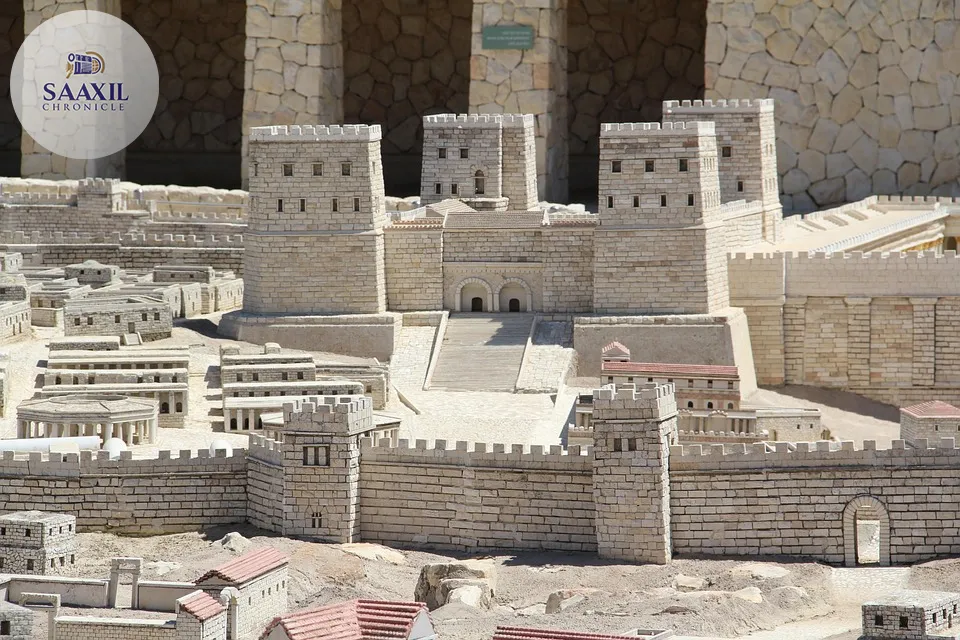
The “City of David” archaeological park, where the tunnel was inaugurated, is managed by an Israeli settler organisation. This has raised additional concerns about the implications of such projects on the Israeli-Palestinian conflict. The park is located in East Jerusalem, a territory that Palestinians claim as the capital of their future state.
Palestinian officials have criticised the projects, arguing that they undermine Palestinian claims to East Jerusalem. “These actions are part of a broader strategy to change the character of the city and erase Palestinian heritage,” stated Saeb Erekat, a senior Palestinian negotiator. The ongoing dispute over Jerusalem remains a significant obstacle in peace negotiations, and actions perceived as unilateral can exacerbate tensions.
International Reactions
The international community remains divided on the issue. While the United States has historically supported Israel’s claims, especially under recent administrations, other countries advocate for a more balanced approach that recognises the rights and heritage of both Israelis and Palestinians.
The United Nations has repeatedly called for the protection of Jerusalem’s multicultural heritage and stressed the importance of maintaining the city’s status as a shared space. UNESCO, in particular, has highlighted the need for archaeological projects to be conducted with sensitivity to all historical narratives.
Historical Complexity and Future Implications
Jerusalem’s history is layered and complex, with significance to Jews, Christians, and Muslims alike. The city’s archaeological sites are a testament to its rich past, but they also highlight the challenges of balancing historical preservation with contemporary political realities.
The current focus on archaeology in Jerusalem raises questions about the role of historical narratives in shaping modern political landscapes. As these projects continue, they may influence not only local dynamics but also broader geopolitical relationships.
Looking Ahead
The use of archaeology in Jerusalem as a political tool underscores the intricacies of the Israeli-Palestinian conflict. As the situation evolves, it remains crucial for all parties involved to approach historical sites with respect and a commitment to inclusivity. The international community’s role in mediating and ensuring fair representation of all narratives will be vital in achieving a lasting resolution.
The controversy surrounding Netanyahu’s archaeological focus highlights the ongoing struggle over Jerusalem’s identity and future. As the city continues to be a focal point of conflict, its historical sites will undoubtedly play a significant role in shaping political discourse.